

I used to believe tears were the universal language of grief – that crying at a funeral was simply what everyone did. It felt like the natural equation: deep love equals deep tears. But over time, I learned that grief wears many faces, and not all of them are wet with crying. People feel differently, process differently, and honor loss in their own ways.
To me, it used to be, the louder the sobs, the heavier the sadness… or the closer the bond. But is that really true? Grief is far more personal and unique – and far more complex.
In the last 5 years, my view of death has gently shifted. Once, it was something people avoided talking about, something heavy and feared. Today, I see it as a moment to honour a life well lived, a soft farewell until our souls meet again in whatever way they’re meant to.
Each of Us Process Grief Differently
Death is the ultimate end point for all life. It is ok to cry and sob, it is also ok not to. Each of us process grief differently and at different pace.
As I stood at my aunt’s funeral, memories of her washed over me – her warmth, her genuine curiosity and wanting the best for each of us, the way she praises and eloquently communicated her words made her, who she was.
And alongside those memories came another kind of peace: the knowing that her stretch of physical pain and discomfort for the past 5 years, had finally come to an end. It comforts me to know that she is now at a better place and in better form.
Her ailments had limited bits of her world, yes, but they had also created moments of deeper connection with those she loved – moments that will always remain uniquely ours.
I may not cry outwardly, but that doesn’t mean my heart doesn’t ache or whisper its own quiet tears. At the same time, there’s comfort in knowing she’s free now – lighter, happier, whole.
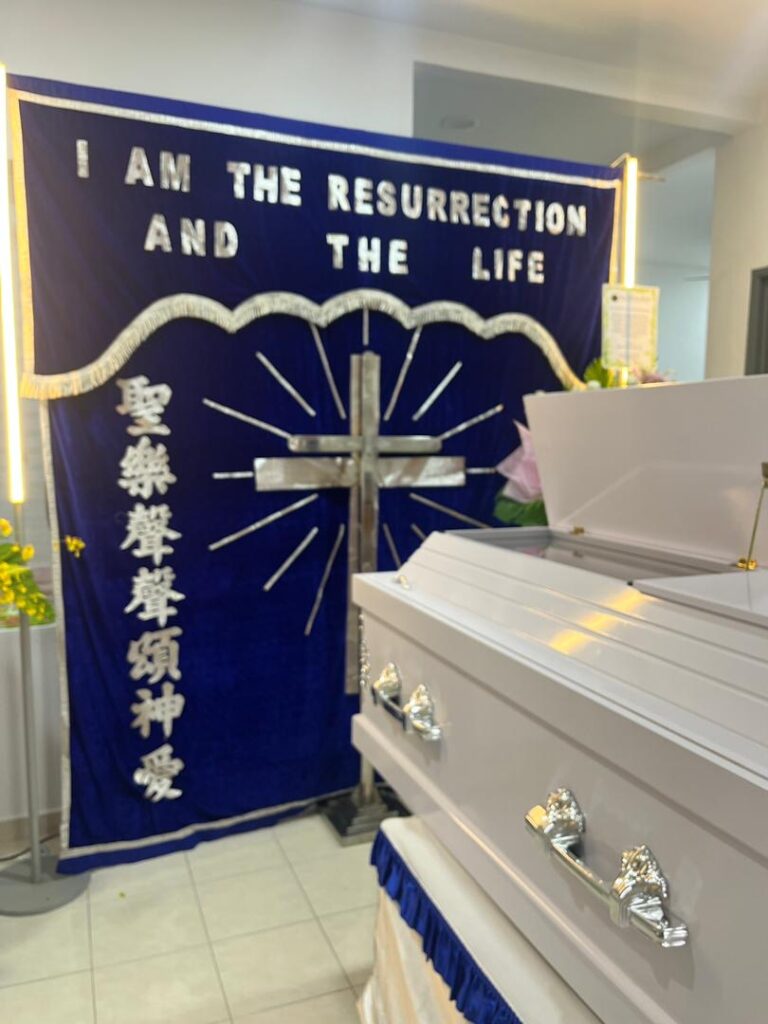
Thank you for a beautiful experience, Auntie, for the memories, the laughter, the kindness. You were cherished by many, and your presence touched more hearts than you ever realised.